McDonald’s AI Drive-Thru Backlash
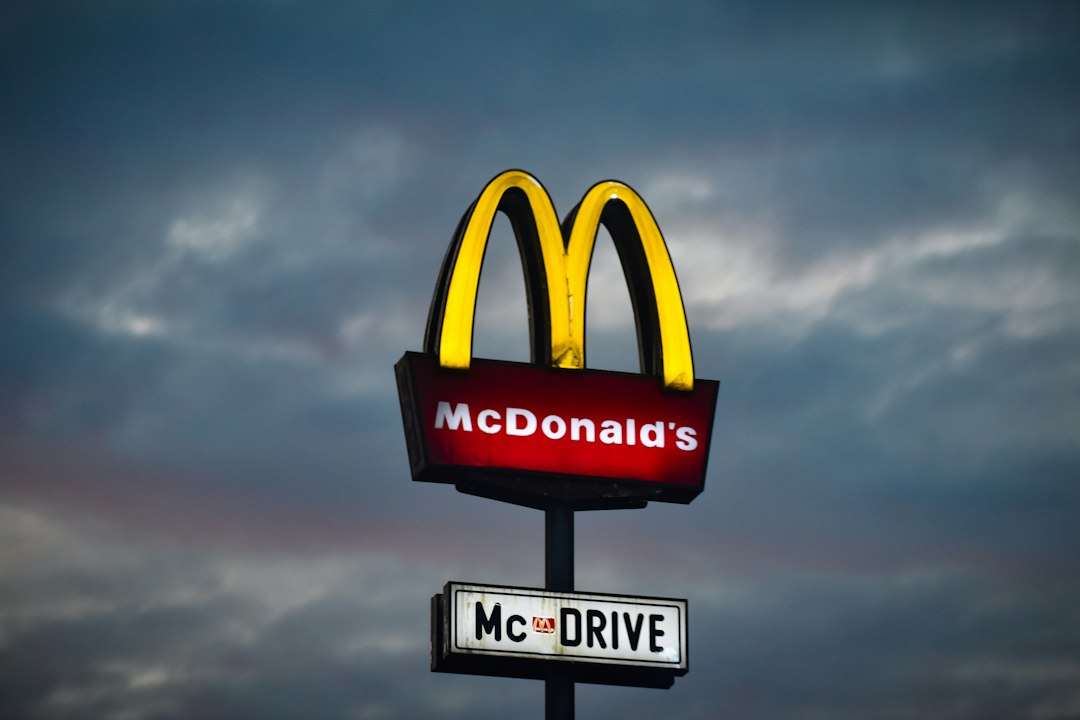
Photo by Jurij Kenda on Unsplash
McDonald’s AI drive-thru is dead, and nobody’s surprised.
The McFlurry of Failure: IBM’s AI Drive-Thru Gets the Axe
IBM’s automated order-taking system, “Automated Order Taker” (AOT), is getting ripped out of over 100 McDonald’s restaurants by July 26, after a two-year pilot. This isn’t just a glitch; it’s a full-blown corporate admission of failure, another expensive experiment in the long line of fast-food tech fumbles. McDonald’s tried to spin it as a “test” that proved “valuable insights,” which is corporate-speak for “this thing was a dumpster fire, but we learned something.”
The reality, as anyone who’s ever tried to order a custom burger knows, is that AI isn’t ready for the chaos of a busy drive-thru. It’s not just about recognizing words; it’s about understanding context, intonation, and the sheer unpredictability of human beings. Throw in a screaming kid in the back seat, a rumbling truck, and someone trying to order a McDouble with no pickles, extra onion, and a side of existential dread, and you’ve got a recipe for digital disaster.
I’ve seen enough “revolutionary” tech demos at CES to know a dud when it rolls off the assembly line. Every year, some startup promises to fix customer service with a bot. Every year, it either fails spectacularly or gets quietly shelved. This McDonald’s experiment just went out with a louder bang.
Why AI Floundered in the Fryer Oil
The problem with AOT wasn’t just its inability to distinguish a “Sprite” from a “Seven-Up” (though that happened, often). It was the fundamental misunderstanding of what a drive-thru interaction entails. It’s not just transactional; it’s a negotiation, a quick back-and-forth that relies on human flexibility.
Think about it: “Can I get a Big Mac meal, large, with a Coke?” Simple enough for a bot. Now, try “Yeah, I want a Big Mac, but can you swap the fries for a side salad? And my kid wants a Happy Meal, but can we get apple slices instead of fries and a milk instead of soda? Oh, and my wife wants a McChicken, but can you make sure it’s fresh? Not one that’s been sitting under the lamp. And no mayo. No, really no mayo. And a water cup.” A human can handle that. An AI? It probably throws an error code and asks you to repeat your order from the beginning, in a monotone voice that slowly drives you insane.
Reddit’s r/technology was, predictably, full of “told you so” comments. Many users pointed out that the real problem isn’t taking the order; it’s the kitchen staff actually making the order correctly and quickly. Other comments highlighted the frustration of trying to correct an AI that simply doesn’t understand nuance, leading to longer wait times and incorrect orders. Some even joked about the AI demanding to speak to their manager.
The Human Element: More Than Just Order Taking
The drive-thru worker isn’t just an order-taker. They’re a filter, a problem-solver, a communication hub. They can clarify, suggest, and even upsell in a way an AI struggles with. They can hear a car pull up and anticipate the order, notice a regular, or even just offer a friendly voice when you’re having a terrible day. These are subtle, invaluable interactions that contribute to the overall customer experience, something a purely transactional AI overlooks.
| Feature | Human Drive-Thru Worker | IBM AOT (AI System) |
|---|---|---|
| Accuracy | High (with training) | Variable, context-dependent |
| Flexibility | High (handles complex/custom orders) | Low (struggles with deviations) |
| Speed | Efficient (quick clarification) | Can be slow (repetition, errors) |
| Nuance | Excellent (understands tone, context) | Poor (literal interpretation) |
| Problem Solving | High (can adapt on the fly) | Very Low (scripted responses) |
| Customer Experience | Can be positive (personal interaction) | Often frustrating (impersonal, errors) |
| Cost | Ongoing labor costs, benefits | High upfront, maintenance, eventual replacement |
The sheer amount of variables in a fast-food order, from specific dietary requests to promotional offers that change daily, creates an almost infinite decision tree. Current AI, despite its impressive progress in other areas, isn’t built for that kind of fluid, real-time chaos. It thrives on clear, structured data, not the mumbled, often contradictory demands of a hungry public.
The Expensive Lessons of Automation Hype
This isn’t McDonald’s first rodeo with automation. Remember the self-order kiosks? Those had a much slower rollout and still require human intervention when the receipt paper runs out or someone tries to pay with a fistful of pennies. The drive-thru was always going to be a harder nut to crack because it lacks the visual cues and controlled environment of an in-store kiosk.
Corporations, especially those as massive as McDonald’s, are constantly looking for ways to cut labor costs. It’s the holy grail: reduce human overhead, increase efficiency, boost profits. But sometimes, what looks good on a spreadsheet crashes and burns in the real world. The initial investment in an AI system like AOT is astronomical, involving development, hardware, integration, and training (for the humans who have to fix it). That’s a huge sunk cost for a system that’s now being unceremoniously yanked.
Having covered the tech industry for a decade, I’ve seen this cycle play out repeatedly. A promising new technology emerges, fueled by venture capital and breathless PR. It gets piloted in high-profile, low-stakes environments. Then, when it hits the messy reality of everyday human interaction, it buckles. The promise of “labor savings” often overlooks the cost of fixing, maintaining, and eventually replacing these systems, not to mention the damage to brand reputation when customers are constantly frustrated.
Beyond the Buzzwords: Real AI Challenges
The hype around “AI” often overshadows its actual capabilities and limitations. What we saw with McDonald’s AOT wasn’t true general intelligence; it was a highly specialized voice recognition and natural language processing (NLP) system. And even with all the breakthroughs in large language models, these systems still struggle with ambiguity and context-switching, which are hallmarks of human conversation.
Consider the sheer variety of accents, dialects, and speaking styles across the country. An AI trained predominantly on clear, standardized speech might falter when faced with a thick regional accent or someone speaking rapidly. These are challenges that human workers, with their innate ability to adapt and learn, overcome daily. The “data” that McDonald’s claimed to gather likely showed a clear correlation between diverse linguistic inputs and increased error rates.
Furthermore, the integration with McDonald’s existing point-of-sale (POS) systems, kitchen display systems (KDS), and inventory management would have been incredibly complex. A misheard “coke” becoming a “cookie” isn’t just an inconvenience; it’s an inventory discrepancy, a wasted item, and a frustrated customer who then demands a refund, adding more complexity to the human staff’s workload. The idea that AI would simplify operations often ignores the hidden layers of complexity it introduces.
The Future of Fast Food Automation (Maybe)
Does this mean automation is dead in fast food? Hardly. But it does mean a more realistic approach is needed. The self-order kiosks are here to stay, and they work reasonably well for straightforward orders. Robotic fryers and burger flippers are also making inroads in the back-of-house, where tasks are repetitive, predictable, and less customer-facing. That’s where automation truly shines.
The drive-thru, however, with its direct customer interaction and the need for quick, adaptive communication, remains a stubbornly human domain. Maybe future iterations of AI will get smarter, capable of understanding slang, sarcasm, and the unique linguistic tapestry of a busy Saturday night. But for now, McDonald’s is wisely pulling back, letting humans handle the nuanced chaos.
The next wave of automation in fast food will probably focus on augmenting human workers, not replacing them entirely. Think AI that helps forecast demand, optimizes ingredient ordering, or even provides real-time training support. Tools that make the human job easier, rather than trying to perform the entire job themselves. That’s where the real “valuable insights” probably lie.
What McDonald’s Learned (and Didn’t Say)
The official statement is all about “valuable insights” and “testing new technologies.” The unofficial truth is that the system cost a fortune, frustrated customers, and made the lives of actual employees harder. It likely increased error rates, lengthened wait times due to AI confusion, and forced human staff to constantly intervene and clean up the AI’s mistakes.
McDonald’s isn’t giving up on automation, but they’ve learned a hard lesson about where it’s best applied. The front lines of customer service, especially in high-volume, high-stress environments, are still the domain of human intelligence. And for now, your Big Mac order will continue to be taken by a person, with all their quirks, empathy, and ability to understand that “no pickles” really means no pickles.
A Drive-Thru Still Needs a Driver
Ultimately, McDonald’s discovered what every cynical journalist already knew: some problems are just too human for current AI. The drive-thru isn’t a factory assembly line; it’s a conversation. And right now, conversations are best left to us.