DOGE Is Dead: What Happens Now?
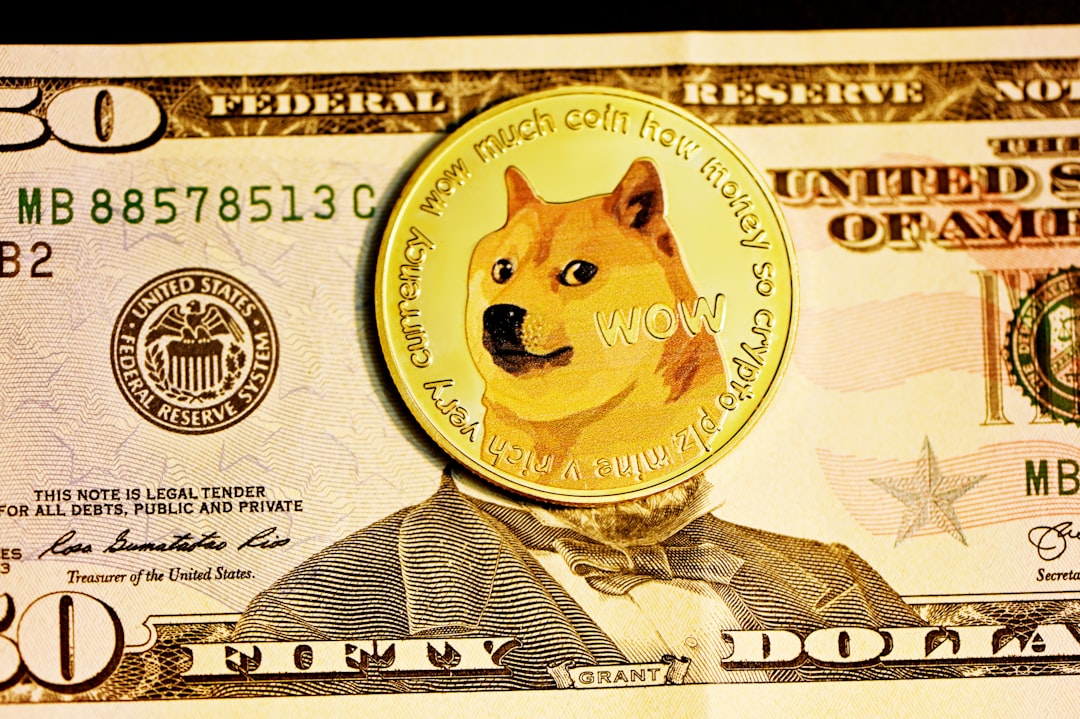
Photo by Kanchanara on Unsplash
Dogecoin is dead, and frankly, it was only a matter of time.
Dogecoin’s Demise Marks an Era’s End
We’ve seen this movie before, countless times. A digital asset, born from a joke and fueled by ironic enthusiasm, eventually succumbs to the cold, hard realities of market mechanics and unsustainable hype. The official shutdown of Dogecoin might surprise some of the newer faces in crypto, but to anyone who’s actually paid attention, it feels less like a tragedy and more like an overdue punchline.
It was never really about the technology, was it? Dogecoin’s appeal stemmed from its accessibility, its goofy dog mascot, and a community spirit that, for a while, seemed genuinely wholesome. This was the coin that proved a meme could move markets, that collective internet will could conjure value out of thin air.
I’ve seen entire market segments pop up, flourish, and then vanish with less fanfare. The meme coin phenomenon, however, felt different because of its sheer staying power, a testament to the internet’s capacity for collective delusion. Dogecoin was the OG, the blueprint for every Shiba Inu, Pepe, and whatever canine-themed token followed.
The Rise and Fall of Meme Currency
The early days of Dogecoin were a fascinating sociological experiment. It was a counter-narrative to Bitcoin’s serious, almost austere promise of digital gold. Doge was fun, a stark contrast to the often-intimidating world of blockchain and cryptography.
This lightheartedness quickly became its biggest strength, attracting a broad audience unfamiliar with traditional finance. People bought Doge because it was cheap, because Elon Musk tweeted about it, or simply because it felt like being part of an inside joke. Utility, whitepapers, development teams – these were afterthoughts, if they were considered at all.
But the very things that propelled Dogecoin into the mainstream also contained the seeds of its destruction. A currency built primarily on sentiment and celebrity endorsement is inherently fragile. When the sentiment shifts, or the celebrity moves on, the foundation crumbles.
Why Utility Matters More Than Hype
Every asset, digital or physical, needs a fundamental reason to exist beyond pure speculation. For most of its existence, Dogecoin struggled to articulate a compelling utility. It was used for tipping, for small donations, but never truly integrated into a broader economic ecosystem.
Compare this to other cryptocurrencies that, whatever their flaws, are at least trying to solve real-world problems. Smart contracts, decentralized finance, supply chain management – these are tangible applications that provide a bedrock for value. Dogecoin had the dog.
This isn’t to say every successful crypto needs to revolutionize an industry. But it needs something more than just virality. Hype is a powerful accelerant, but it’s not a fuel source. Eventually, the tank runs dry.
Lessons from the Wild West of Early Crypto
Having covered the crypto space since the early days, Dogecoin’s trajectory is a familiar one. It echoes the ICO boom of 2017, where projects with little more than a slick website and a vague promise raised millions. Many of those projects are long gone, their websites defunct, their investors poorer.
The difference with Doge was its scale and longevity. It transcended the typical pump-and-dump cycle to become a cultural touchstone. It even briefly flirted with mainstream acceptance, a testament to the power of a good meme and a dedicated, if somewhat naive, community.
But the underlying market dynamics remain the same. Unbridled speculation, driven by fear of missing out (FOMO) and the allure of quick riches, inevitably leads to a reckoning. Dogecoin’s shutdown serves as a stark reminder that gravity always wins.
The Ripple Effect Across Altcoin Markets
Dogecoin wasn’t just a meme coin; it was the meme coin. Its official shutdown sends a clear, if brutal, message to the entire altcoin market, particularly those tokens that lack substantial development or intrinsic value. This isn’t just one coin failing; it’s a prominent symbol of an entire market philosophy collapsing.
This event will undoubtedly trigger a period of introspection for investors. The era of blindly chasing the next viral token might finally be drawing to a close. Or, more cynically, it might just mean the next batch of speculators will find new, equally flimsy reasons to throw their money away.
The market has a short memory, but sometimes a crash is loud enough to leave a scar. This could be one of those scars, prompting a shift towards more fundamentally sound projects. Or it could simply accelerate the ongoing consolidation where only the strong, or the well-funded, survive.
Investor Confidence After the Doge Crash
When a high-profile asset like Dogecoin officially ceases operations, it inevitably erodes investor confidence across the board. The market becomes warier, particularly retail investors who were drawn in by the promise of easy money. This isn’t just about the money lost by Doge holders; it’s about the trust lost in the broader crypto ecosystem.
We’re likely to see a “flight to quality” in the short term, with investors moving capital towards established cryptocurrencies like Bitcoin and Ethereum. These assets, while still volatile, at least have the benefit of longer track records, larger ecosystems, and more robust development. The speculative fringe will feel the chill first.
This kind of event also provides ammunition for crypto skeptics and traditional finance institutions. They’ll point to Dogecoin as Exhibit A in their argument that the entire space is a casino. It makes the job harder for legitimate projects trying to build real infrastructure.
The Inevitable March Towards Crypto Regulation
The demise of Dogecoin will certainly add fuel to the regulatory fire. Governments and financial watchdogs worldwide have been grappling with how to oversee the volatile and often opaque crypto market. Events like this only strengthen their resolve.
Table: Regulatory Approaches to Crypto
| Jurisdiction | General Stance | Focus Areas | Impact on Meme Coins (General) |
|---|---|---|---|
| United States | Developing, fragmented | Consumer protection, AML, securities classification | Increased scrutiny, potential for stricter listing requirements |
| European Union | Comprehensive (MiCA) | Market integrity, investor protection, environmental impact | Stricter operational requirements, greater transparency demands |
| United Kingdom | Cautious, phased | Financial stability, innovation, market abuse | Potential for tighter promotion rules, risk warnings |
| Asia (Various) | Diverse, some restrictive | Capital controls, financial stability, innovation hubs | Greater risk of outright bans or severe limitations |
Regulators care about protecting investors from fraud and ensuring financial stability. A coin that gains billions in market cap purely on meme power, then disappears, is a flashing red light for consumer protection agencies. Expect renewed calls for clearer guidelines, stricter advertising rules, and perhaps even outright bans on certain types of highly speculative tokens.
This isn’t about stifling innovation; it’s about drawing lines. The Wild West atmosphere that allowed Dogecoin to flourish is slowly but surely being fenced in. The problem, as always, is how to regulate without crushing legitimate progress.
Beyond the Bark: Investor Psychology and Market Maturity
The story of Dogecoin is as much about human psychology as it is about blockchain technology. It tapped into fundamental desires: the thrill of the gamble, the comfort of community, and the ever-present hope of getting rich quick. These aren’t new phenomena; they’ve driven bubbles and crashes for centuries.
The difference now is the speed and scale at which these psychological waves can propagate. Social media amplifies everything, turning niche interests into global movements overnight. Dogecoin was a masterclass in this, demonstrating how collective belief, no matter how irrational, can manifest real-world financial consequences.
This isn’t just a crypto problem; it’s a modern internet problem. From meme stocks to viral challenges, we’re seeing an acceleration of collective behavior, both positive and destructive. The financial markets are just another arena for this dynamic to play out.
The Seduction of Speculation and FOMO
The allure of Dogecoin was simple: it was cheap, it was fun, and everyone seemed to be making money. This creates an irresistible force called FOMO – Fear Of Missing Out. People piled in not because they understood the underlying technology or its economic model, but because they didn’t want to be left behind.
I’ve seen entire retail trading communities devolve into echo chambers, where critical thinking is replaced by cheerleading and “diamond hands” mantras. When a project becomes a shared identity, dissenting voices are silenced, and the rational assessment of risk goes out the window. Dogecoin perfectly encapsulated this phenomenon.
It’s a powerful lesson in behavioral economics. The prospect of effortless wealth can override even the most basic financial prudence. The tragedy is that those who bought in late, often with limited disposable income, are usually the ones left holding the bag when the music stops.
The Road Ahead for Digital Assets
Dogecoin’s shutdown forces the crypto industry to grow up, at least a little. It highlights the urgent need for greater transparency, stronger governance, and a clearer focus on actual utility. The next generation of digital assets needs to move beyond the meme and into meaningful applications.
This doesn’t mean speculation will disappear. It’s a fundamental part of markets. But the balance might shift. Investors might demand more than just a cute mascot or a celebrity tweet. They might start asking tough questions about tokenomics, development roadmaps, and regulatory compliance.
The market is maturing, albeit painfully. Every major crash, every high-profile failure, scrapes off another layer of naive optimism. What’s left, hopefully, is a more resilient, more responsible industry.
The Cost of the Meme Dream
Dogecoin’s official shutdown isn’t just the end of a cryptocurrency; it’s the definitive end of an era. It was a chaotic, often hilarious, but ultimately unsustainable experiment in collective financial fantasy. The meme dream, it turns out, has a very real price.